


Ce guide, élaboré par l’association espagnole Caminando Fronteras vise à soutenir les familles et à faciliter les opérations de recherche...
Actualités

Numéro 387 Disparu en Méditerranée : le film qui lance la campagne #NUMBERSINTONAMES
Les fragments d’une lettre d’amour et quelques photos intactes… Un sweat à capuche, un pantalon, une ceinture… C’est tout ce...

Web guide d’information pour les familles de personnes disparues en Méditerranée
Plus de 18 000 personnes migrantes ont perdu la vie ou ont été portées disparues en Méditerranée entre 2010 et 2018...
Mort-e-s et disparu-e-s en mer : La version web du Guide d’information pour les familles et leurs soutiens est désormais disponible en tigrigna!
Mort-e-s et disparu-e-s en mer : La version web du Guide d’information pour les familles et leurs soutiens est désormais disponible...
Mort-e-s et disparu-e-s en mer : Le Guide d’information pour les familles et leurs soutiens est désormais disponible en version web !
Le rapport « Voyage du désespoir » publié par le Haut-Commissariat aux réfugiés des Nations Unies (HCR) est alarmant : « Pour chaque groupe...

Missing at the borders : Une nouvelle page web pour donner un visage aux personnes migrantes disparues, décédées ou victimes de disparition forcée et à leurs proches
Selon les statistiques de l’Organisation internationale des migrations, pas moins de 40 000 personnes sont décédées ou ont été portées disparues...
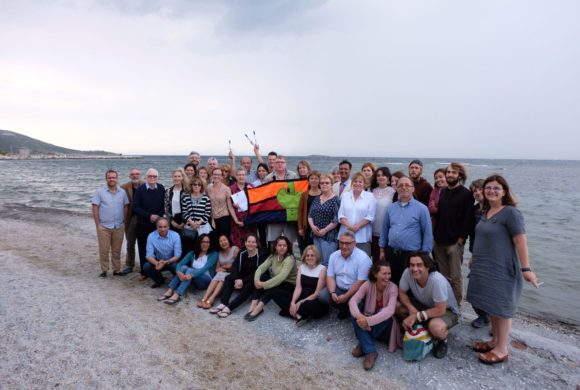
Déclaration de Mytilène : un projet de protocole international sur la question des personnes décédées et disparues
646… C’est le nombre de personnes décédées en mer Méditerranée depuis le début de l’année 2018. Au-delà des chiffres, ce...
NEW: Morts et disparus en Méditerranée: Un guide d’information pour les familles et leurs soutiens
Morts et disparus en Méditerranée Un guide d’information pour les familles et leurs soutiens Italie et Méditerranée centrale La coalition...
Morts et disparus en mer : guide d’information pour les familles et leurs soutiens
Morts et disparus en Méditerranée Un guide d’information pour les familles et leurs soutiens Italie et Méditerranée centrale 12 mai...
Morts et disparus en mer, L’information des familles et de leurs soutiens
Conférence publique – Festival Sabir- 12 mai 2017 “Morts et disparus en mer, L’information des familles et de leurs soutiens” La...
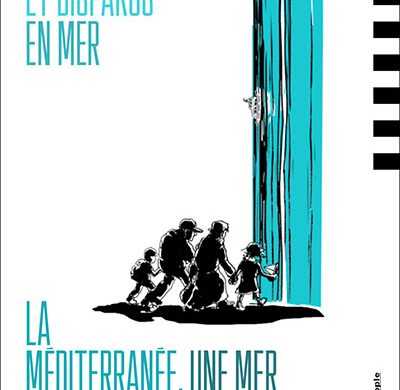
Morts en Méditerranée, bilan macabre en 2016
Plus de 4 600 personnes ont perdu la vie en mer Méditerranée depuis le début de l’année 2016. C’est le...
Méditerranée : les naufrages meurtriers de migrants ne sont pas une fatalité !
Communiqué 16/04/2015 400 personnes ont perdu la vie au large des côtes italiennes dans un naufrage survenu dimanche 12 avril...